

The best time to visit Goa for clearer skies and normal sea conditions is generally October to March. Goa’s monsoon runs from June to September, while April and May bring hotter, more humid weather.
- Popular tourist period: October to March, with temperatures from 20°C to 32°C.
- Peak travel period: December through New Year.
- Monsoon: June to September, with about 90% of Goa’s average annual rainfall.
- Hot season: April and May, when daytime temperatures sometimes reach around 36°C.
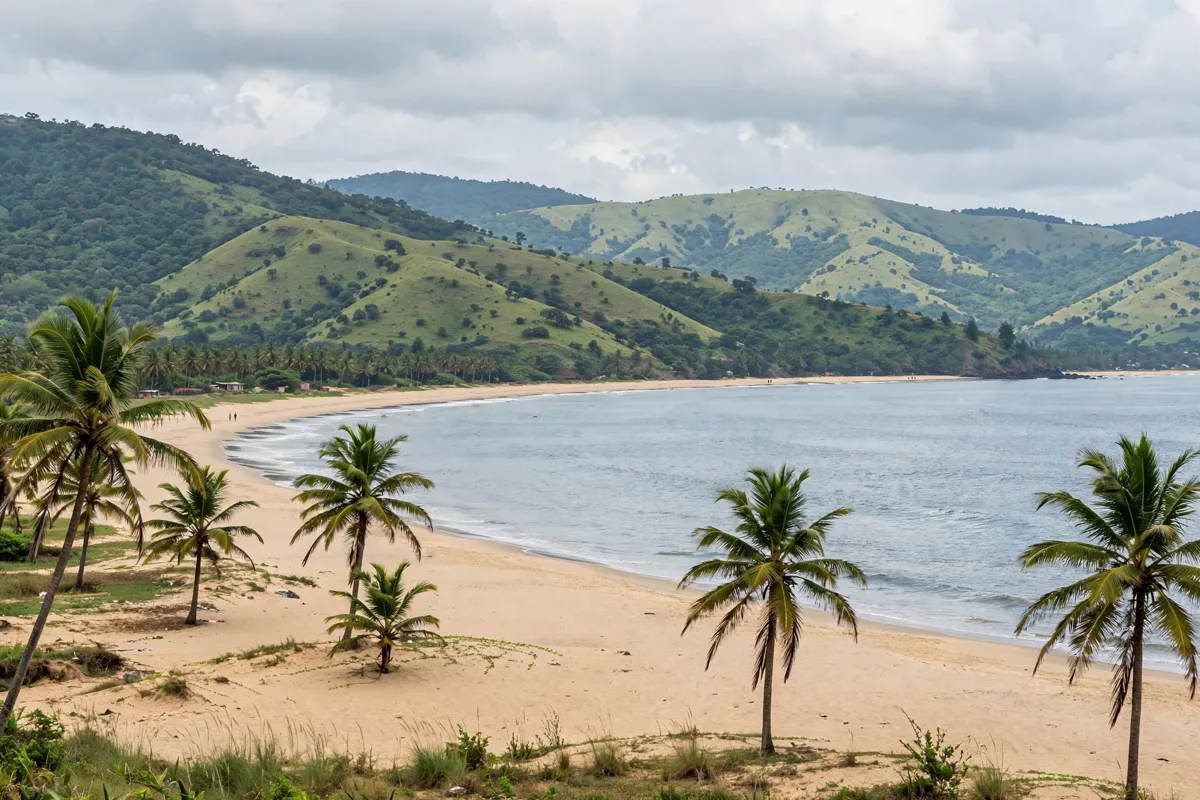
Goa’s broad seasonal pattern
Goa’s weather shifts between a rainy monsoon, a hot pre-monsoon period and a popular stretch of clearer weather. The state lies on India’s west coast along the Arabian Sea, with partly hilly terrain and the Western Ghats to the east.
Goa Tourism describes June to September as the South West Monsoon season. Goa receives about 330 centimeters of average annual rainfall, and about 90% falls during these months. The period from October to March is generally associated with clear skies and normal sea conditions, with temperatures ranging from 20°C to 32°C.
For a beach-focused trip, that broad pattern makes October to March the usual planning window. If your dates fall outside it, consider the weather and sea conditions alongside your plans for outdoor activities.
When is Goa busiest in winter?
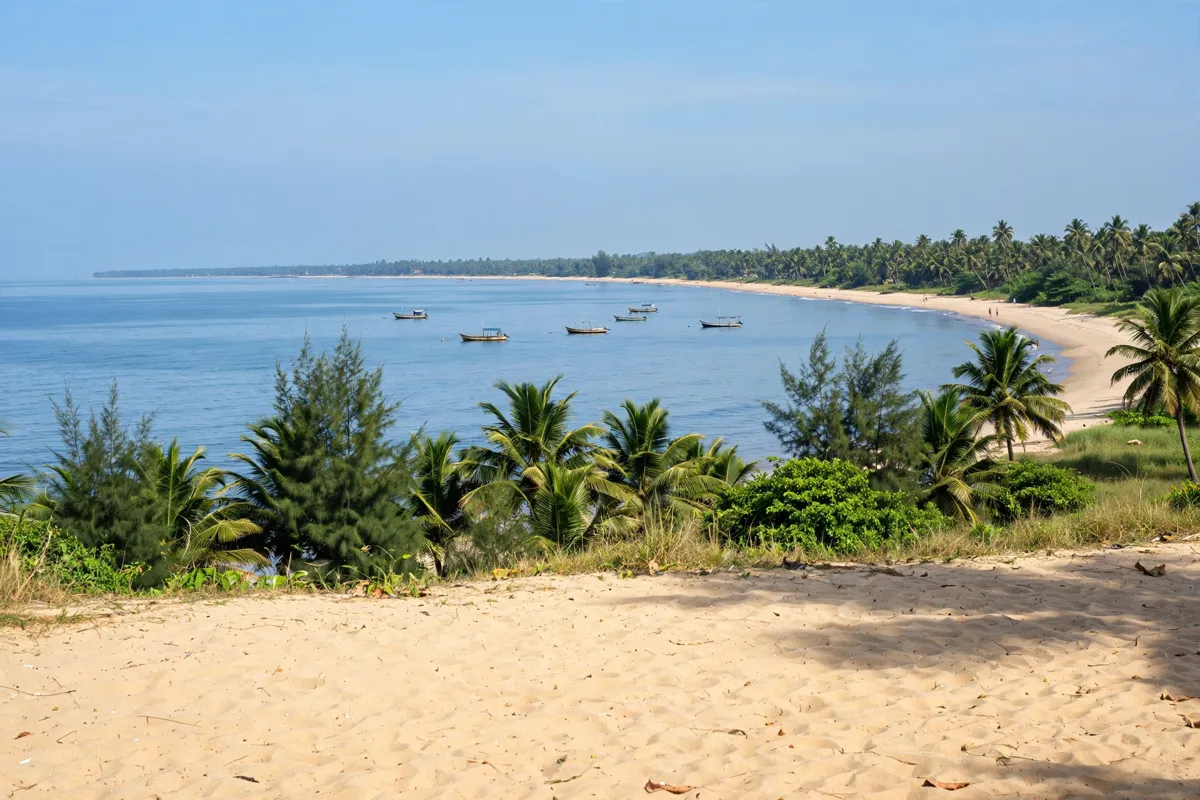
Goa’s tourist season runs from October to March, and its peak travel period is December to February. December through New Year is especially busy, with the destination packed.
January is Goa’s sunniest month, with more than 320 hours of sunshine. If you are considering Goa in December, account for peak-season demand when arranging accommodation: Goa Tourism advises booking months ahead for winter travel.
Winter also brings festivals including IFFI, Sunburn and the Serendipity Arts Festival. Their presence adds to the range of seasonal events, while the busy period can affect how far ahead you need to plan.
What should you expect from Goa’s monsoon and summer?
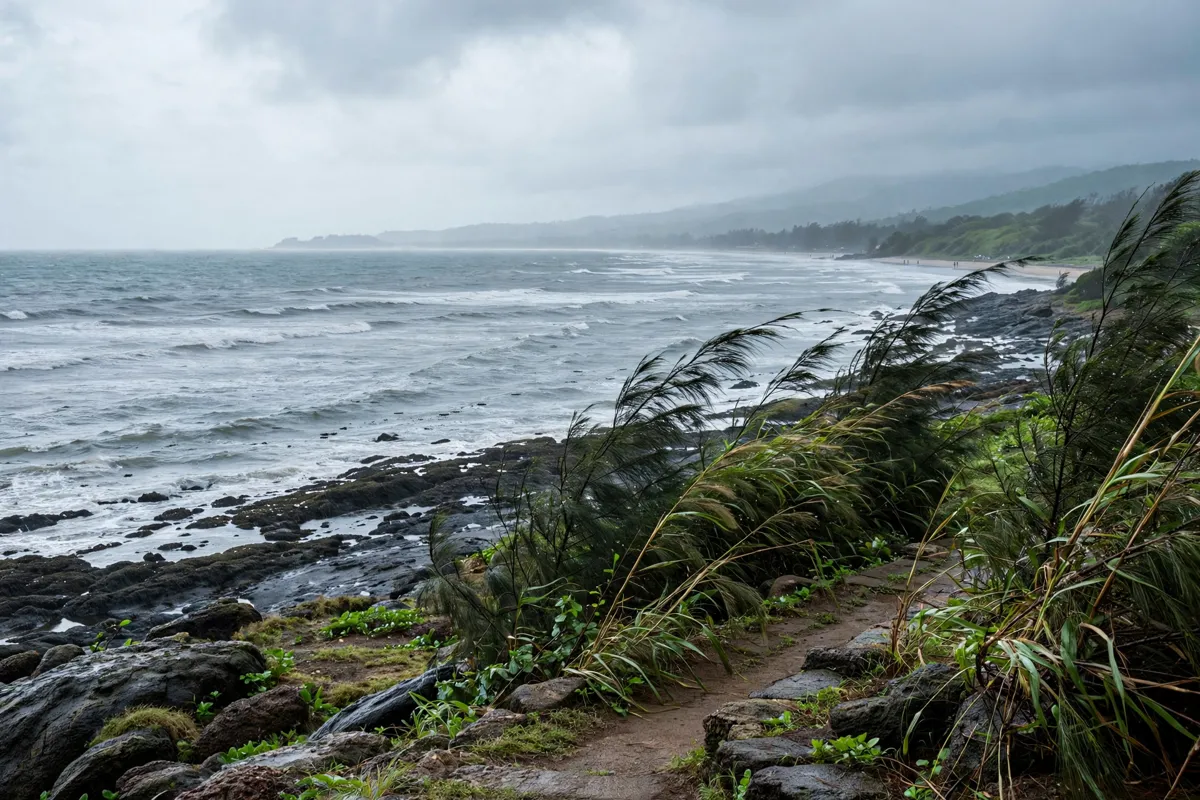
Goa’s monsoon brings heavy rainfall and rough sea conditions, while April and May are hot and increasingly humid. The monsoon is the least popular beach season because of rough seas, dangerous undercurrents and inclement weather.
July is the wettest month, with more than 995 mm of rainfall and no more than three hours of sunshine per day.
GTDC gives the normal monsoon period as around 1 June to 30 September and warns that bathing and swimming in the sea during this period are prohibited. Even standing in ankle-deep water can be dangerous because of undercurrents.
April and May are Goa’s hot season, and daytime temperatures sometimes reach around 36°C. A sea breeze normally starts after 3 PM during these months.
Before entering a beach, read caution boards at the main entrance and follow lifeguard instructions. GTDC advises treating a beach without lifeguards or warning boards as dangerous. For current forecasts, rainfall information and warnings, check the official site before you go: the India Meteorological Department’s Goa Meteorological Centre.
How do seasons affect beach and outdoor plans?
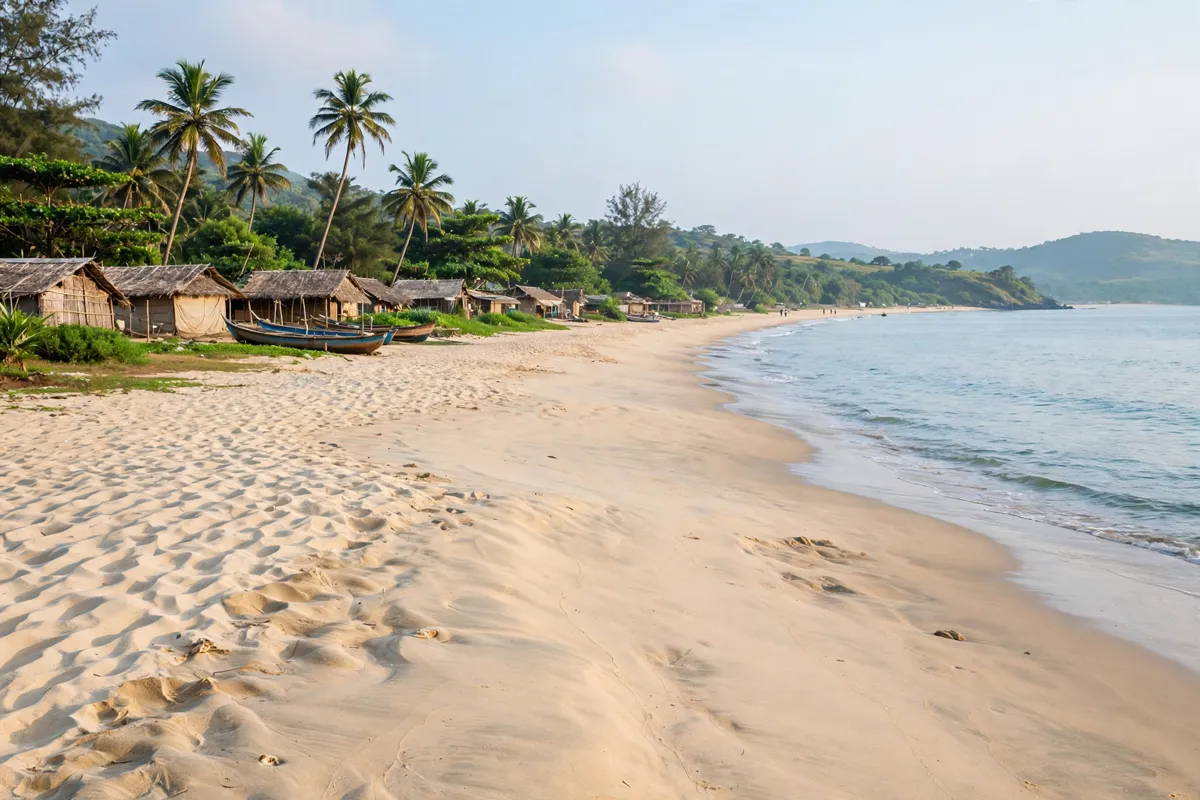
Sea conditions are an important part of seasonal planning in Goa, especially if you are making beach time a focus. During the monsoon, follow beach warnings and do not enter the sea; outside it, Goa Tourism describes October to March as a period of normal sea conditions. Baga Beach is about a 5-minute walk from Hotel Sea Castle.
Its seasonal sea conditions are worth factoring into plans for the coast.
A Baga Beach guide can help you plan around access and facilities.
Dudhsagar Falls is another possible inland outing to consider when planning around the season.
Which Goa festivals follow the seasons?
Goa’s festival calendar spans the year, with several celebrations tied to particular months. Shigmo is a spring festival held in March or April, with music, song, dance and town float parades. Its two varieties are Dhakla, the younger form, and Thorla, the elder; festivities culminate at Holi.
São João is held every year on 24 June, the feast day of St. John Baptist. Bonderam takes place on Divar Island in August, with colourful cultural floats; GTDC organizes cruises with dinner for visitors and locals to see the festival. A Divar Island day trip from North Goa connects naturally with Bonderam.
December’s event calendar includes the Feast of St Francis Xavier and the Serendipity Arts Festival. If a festival is central to your plans, check the relevant organizer’s information before setting dates, as event details can vary.
FAQs
What is the best time to visit Goa for clearer weather?
October to March is the popular tourist period, with normally clear skies and normal sea conditions.
Is Goa rainy in July?
Yes. July is Goa’s wettest month, with more than 995 mm of rainfall and no more than three hours of sunshine per day.
Is it safe to swim in Goa during the monsoon?
GTDC prohibits bathing and swimming in the sea during the monsoon and warns that undercurrents can make even ankle-deep water dangerous.
When is Shigmo celebrated in Goa?
Shigmo is held in March or April, and its festivities culminate at Holi.